
Why Does My Well Water Smell Like Rotten Eggs Only When I Use Hot Water?
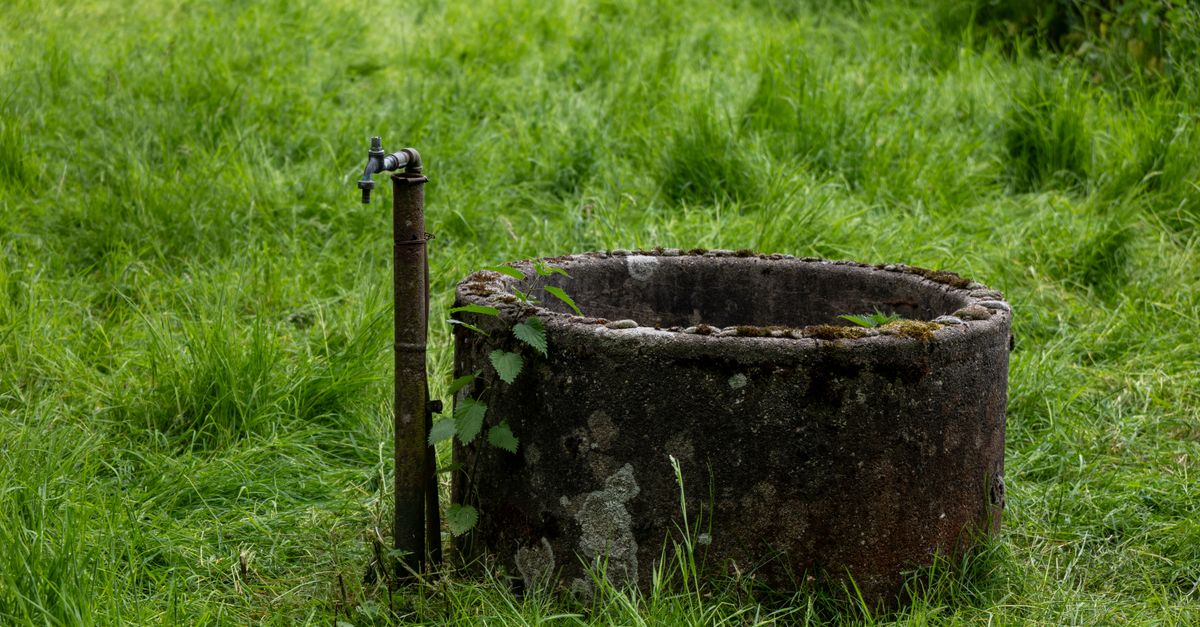
Why hot well water can smell like rotten eggs
Hot well water can smell like rotten eggs because heat makes sulfur odors easier to notice, and the water heater can be the place where that odor gets stronger. In many homes, the cold water smells normal, but showers and hot kitchen water have a sulfur smell because the heater tank is reacting with the water or holding buildup that affects odor.
That does not automatically mean your well pump needs repair. A lot of homeowners assume the pump is the problem because the home runs on a private well system, but the honest answer is that the heater is often the first place to check.
If your water odor is paired with pressure changes, sputtering, or other well system symptoms, a local inspection can help narrow down the cause.
What is that rotten egg smell in private well water?
That rotten egg smell is usually a sulfur-like odor that homeowners connect with hydrogen sulfide or similar water quality conditions. You notice it most when running a shower, filling a sink with hot water, or using hot water for dishes.
The smell itself is not the same thing as a pump failure. It is an odor issue tied to the water, the heater, or both.
For a San Diego-area homeowner on private well water, that difference matters. If cold water from every tap smells bad too, the source may be in the broader residential water system. If only hot water smells, the water heater becomes the more likely starting point.
A simple way to think about it is this:
Weak: "The well is causing a bad smell." Stronger: "The cold water smells clean, but the shower and hot kitchen tap smell like sulfur, so the water heater is the first thing to rule out."
That second version is how real troubleshooting works. You separate where the smell shows up before you guess at the cause.
Why this matters for San Diego-area homes on private well water
For households that rely on private well water every day, a sulfur smell is more than annoying. It affects showers before school, laundry, dishes, and the normal routine a family depends on.
Reliable water access is the real issue here. If the smell is only in hot water, you may be dealing with a problem inside the heater that can be addressed without jumping straight to water system replacement. If the smell shows up in cold water too, the broader well water service side of the system needs a closer look.
That is why honest diagnosis matters. Quick fixes waste time, and they can miss the real source.
San Diego well service calls often start with one simple question: does the smell happen with hot water only, or with both hot and cold? That answer tells you where to look first.
How to figure out whether the smell is coming from the water heater or the well system
You can usually narrow this down with a few simple checks. The goal is to compare hot and cold water in more than one place and pay attention to when the smell is strongest.
Here is a quick comparison that helps:
| What you notice | More likely source |
|---|---|
| Only hot water smells like sulfur | Water heater |
| Hot and cold water both smell | Broader private well water issue |
| Smell is strongest in every shower and hot tap | Water heater or hot water plumbing |
| Smell comes with pressure problems or sputtering | Well system or pump-related issue |
| Smell gets worse after water sits | Heater tank or stagnant conditions |
| One fixture smells, others do not | Local plumbing fixture issue |
Can a water heater cause a rotten egg smell in well water? Yes. That is one of the most common reasons the odor shows up only with hot water.
Will flushing the water heater get rid of the rotten egg smell? Sometimes it helps, especially if sediment or mineral buildup is part of the problem. But flushing does not fix every sulfur odor, and it does not tell you if the well water itself also needs attention.
Best ways to respond: simple checks vs. professional well and water system help
Start with simple checks at home, but do not stop there if the smell keeps coming back. A little troubleshooting can save you from replacing the wrong part.
Homeowner-friendly first steps usually include checking hot versus cold water, testing more than one fixture, and noting whether the smell is limited to showers or the kitchen sink. If you are comfortable doing it, flushing the water heater may help remove sediment that makes hot water smell worse.
Professional help makes sense when the smell spreads to cold water, returns after flushing, or shows up alongside pressure changes, cloudy water, or other system symptoms. That is the point where water well service, water testing, or a broader residential water systems inspection can give you a clear answer.
For San Diego-area homes that rely on private well water, Thing Pump Service can help evaluate whether the smell points to a broader water system issue.
Common mistakes homeowners make when hot water smells like sulfur
The biggest mistake is assuming the well pump is always the problem. If only hot water smells bad, well pump repair may have nothing to do with the odor.
Another common mistake is ignoring the cold water completely. Cold water is one of your best clues. If cold water smells clean and only hot water smells like rotten eggs, that points you in a very different direction than a whole-house odor problem.
Waiting too long to test is another one. Odor problems do not always stay small. Bacteria in private well water, sediment in the heater, or mineral conditions in the system can become harder to sort out if you keep guessing.
Treating the smell before finding the source is where a lot of people get stuck. Pouring effort into odor removal without identifying whether the issue is in the heater or the well system often leads to repeat problems.
What Thing Pump Service recommends for private well households
We recommend starting with the pattern, not the assumption. Check cold water, then hot water, then more than one fixture. That simple process usually tells you whether you should focus on the water heater first or look deeper into the well water service side of the home.
If the smell only happens with hot water, start by considering the heater. If the smell reaches cold taps too, or if you are seeing pressure changes, sputtering, or other signs of trouble, it is time for a broader system evaluation.
That is the part many homeowners want to skip because they hope it is just a temporary smell. We understand that. But dependable water access matters too much for guesswork.
As a family-owned pump company, we believe in diagnosing the problem the right way before talking about well pump repair, pump installation, or water system replacement. Some homes need a heater-related fix. Some need water testing. Some need a closer look at the well and the rest of the system. Honesty comes first.
Best answer: If only your hot water smells like rotten eggs, start by comparing hot and cold water at several fixtures. A hot-only sulfur smell often points to the water heater, while odor in both hot and cold water points more toward the private well water system. If the pattern is unclear or the smell comes with pressure or water quality changes, local well pump experts can help protect reliable water access and narrow down the real cause.
FAQs
Why does only my hot water smell like rotten eggs?
Only hot water usually smells like rotten eggs because the water heater is making the sulfur odor easier to notice or stronger inside the tank. If cold water smells normal, the heater is often the first place to investigate.
Is it safe to shower in hot water that smells like sulfur?
A sulfur smell in shower water is often more of an odor problem than an emergency, but that does not mean it should be ignored. If the smell is strong, persistent, or paired with other water quality changes, private well water testing is a smart next step.
How do I know if the odor is from my water heater or my private well water?
Compare hot and cold water at several fixtures in the house. If only hot water smells, the water heater is more likely. If both hot and cold water smell, the private well water or broader residential water system needs attention.
Can flushing a water heater fix rotten egg smells?
Yes, flushing a water heater can help if sediment or mineral buildup inside the tank is making the odor worse. Flushing helps in some cases, but it does not solve every sulfur smell and it does not rule out a broader water quality issue.
Should I test my well water if the smell only happens with hot water?
Yes, testing can still make sense even if the smell only happens with hot water. A hot-only odor often points to the heater, but water testing can help confirm whether bacteria, sulfur compounds, or other water quality conditions are also part of the problem.
When should I call a local well service company for sulfur-smelling water?
Call a local well service company if the smell spreads to cold water, keeps returning after heater maintenance, or shows up with pressure loss, sputtering, cloudy water, or other system changes. That is when a broader San Diego well service inspection can help protect reliable water access.
Summary: what to do next if only your hot well water smells bad
If your well water smells like rotten eggs only when you use hot water, the water heater is often the first place to look. Heat can make sulfur odors stand out more, and sediment, mineral buildup, or bacteria inside the heater can make the smell worse.
Start with a few clear checks. Compare hot and cold water. Test more than one fixture. Pay attention to whether the smell is limited to showers and hot taps, or whether cold water has the same problem.
If the smell is spreading, recurring, or showing up with other water system symptoms, do not guess. We Solve Water. If your hot water smells like rotten eggs and you want clear answers about your private well water system, contact Thing Pump Service for local help.