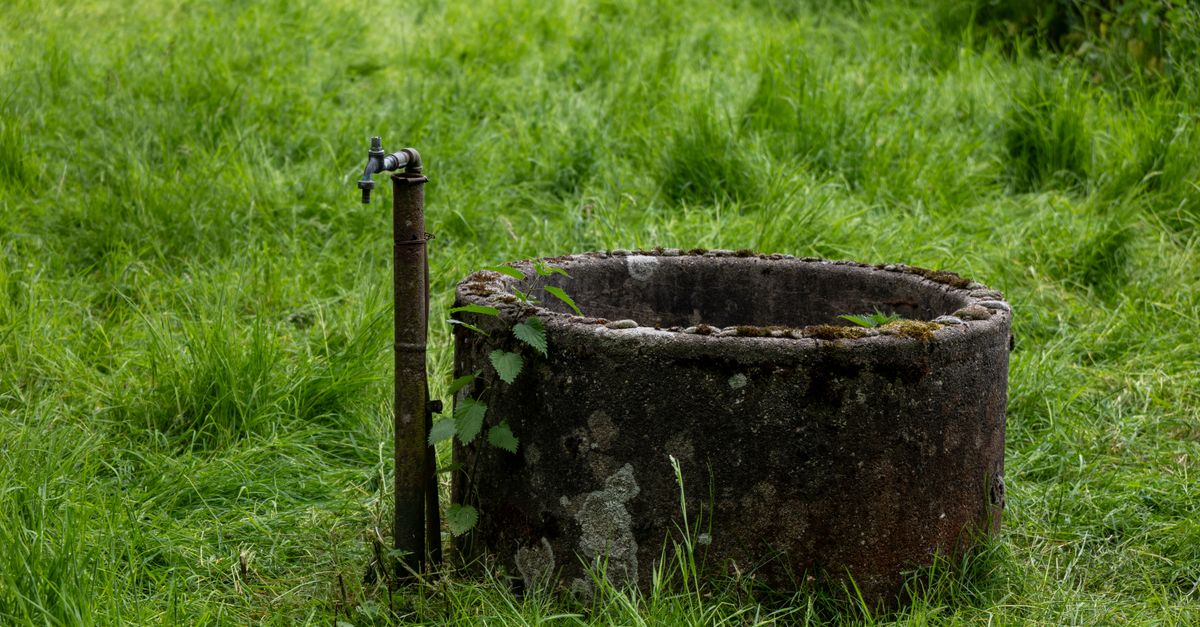
Why Does My Well Water Look Clear at First and Then Turn Brown After It Sits?
Why well water can look clear first and turn brown later
Clear-looking well water can turn brown later because some minerals stay dissolved when the water first comes out of the tap, then change once they sit in air. Iron is the most common example. The water can look normal for a minute, then a rusty or tea-colored tint shows up in the glass.
Fine sediment can also do this, but it behaves a little differently. Sediment usually makes the water look cloudy, dirty, or brown sooner, especially after heavy household water use, recent rain, or a disturbance in the well.
If your well water is changing color along with pressure loss, sputtering, or pump cycling, it may be time to have the full system checked by a local well pump expert.
What does it mean when well water turns brown after it sits?
Water that turns brown after sitting usually means the discoloration was present all along, but it was not visible yet. In plain terms, the water looked clear in motion, then the iron oxidized or the tiny particles had time to settle and show themselves.
That is different from water that comes out brown immediately. Water that is brown right out of the faucet often points more toward stirred-up sediment, muddy well water, or a stronger disturbance somewhere in the residential water system.
A San Diego-area homeowner might notice this in a simple way. You fill a kitchen glass, it looks fine, and ten minutes later it has a rusty ring or brown tint. That pattern is often more consistent with dissolved minerals than with plain dirt.
Here is the simple split:
| What you see | What it often points to |
|---|---|
| Clear at first, brown after sitting | Dissolved iron or fine mineral content oxidizing |
| Brown right away | Sediment, muddy water, or a stronger well disturbance |
| Brown only in hot water | Water heater sediment or corrosion |
| Brown after rain or heavy use | Sediment entering or being stirred in the well system |
Why this matters for private well water at home
Brown well water matters because private well water is your household water supply, not a minor inconvenience. If the water changes color in glasses, sinks, tubs, or the washing machine, the problem can affect daily life fast.
A family relying on residential water systems for cooking, bathing, and laundry usually wants to know one thing first. Is this just a staining issue, or is this a sign of a deeper well problem? That is the right question.
Iron-related discoloration often leaves rusty stains on fixtures, toilets, tubs, and laundry. Sediment-related discoloration can clog screens, wear on plumbing components, and leave you less confident about using the water for drinking or cooking.
And confidence matters. If you depend on reliable water access every day, waiting too long to figure out what changed can turn a manageable issue into a bigger disruption at home.
How to narrow down the cause of brown well water
You can narrow down the cause by watching for patterns before you start guessing. A few simple checks can tell you dealing with iron in the water, sediment in the well, a hot water issue, or a pump system problem.
A weak way to check this is to say, "The water looked weird once." That does not tell you much.
Weak: "The water is brown sometimes." Stronger: "Cold water from every faucet looks clear at first, then turns rusty in a glass after five minutes. The problem started two days after heavy rain."
That stronger description gives a local well pump expert something useful to work with.
Pay attention to pressure too. If the water is changing color and you are also seeing pressure drops, air sputtering, or the pump cycling on and off more than normal, the problem may be bigger than water appearance alone.
For San Diego-area households that rely on private well water every day, Thing Pump Service can help inspect the well and pump system when discoloration points to a deeper equipment issue.
Most likely causes: dissolved iron, sediment, or system-related issues
The most likely causes are dissolved iron, disturbed sediment, or a problem somewhere in the well or pump system. Each one leaves a slightly different pattern.
Dissolved iron is the classic reason tap water changes color after it sits in a glass. The water comes out looking clear because the iron is dissolved. After a few minutes, air hits the water, the iron oxidizes, and the water turns rusty, orange-brown, or tea-colored.
Sediment behaves differently. Sediment is made up of tiny solid particles such as sand, silt, or dirt. If sediment in your well is causing brown water in the house, the water often looks cloudy or dirty sooner, and the issue may show up after heavy rain, heavy water use, or recent work on the well.
A well pump problem can also be part of the picture. A failing pump, worn components, a damaged drop pipe, or trouble in the well itself can disturb sediment and send discolored water through the house. So yes, a well pump problem can cause water to turn brown later, especially if it is stirring up material from the well.
Here is a side-by-side look:
| Likely cause | What the water often looks like | Common clues |
|---|---|---|
| Dissolved iron | Clear first, then rusty brown after sitting | Staining in sinks, tubs, toilets, or laundry |
| Sediment | Brown, cloudy, or dirty right away | Worse after rain, heavy use, or recent disturbance |
| Water heater issue | Brown mostly in hot water | Cold water looks normal |
| Well or pump system issue | Brown water plus pressure or flow changes | Sputtering, cycling, reduced flow, sudden onset |
Rusty water and muddy well water are not always the same thing. Rusty water usually points toward oxidized iron or corrosion. Muddy water usually points toward sediment, soil, or a disturbance in the well.
Heavy rain can absolutely make well water turn brown after sitting, but the pattern matters. If heavy rain affected the well, some homes will see muddy water right away, while others will notice finer material or mineral changes become more visible after the water stands.
Common mistakes homeowners make when brown water shows up
The biggest mistake is guessing too early. Brown water has a few common causes, and treating the wrong one wastes time.
A lot of homeowners blame indoor plumbing first. Sometimes that is true, especially if only one faucet is affected or only hot water is discolored. But if every faucet is involved, the source is often farther back in the private well water system.
Another mistake is ignoring weather and water-use patterns. A sudden change after heavy rain, irrigation demand, filling a large tub, or extra laundry loads can point toward sediment movement in the well.
Waiting too long is another problem. If discoloration is getting worse, or if brown water shows up with pressure trouble, strange pump behavior, or repeated sediment, it is time to stop watching and start checking the system.
And one more thing. Do not assume brown well water is safe to drink just because it clears up later or because nobody feels sick. Discoloration does not always mean danger, but it does mean something changed, and private well water should be tested or inspected when the change is sudden or persistent.
What Thing Pump Service recommends
We recommend watching the pattern closely, writing down what changed, and avoiding quick fixes until you know the cause. Brown water after sitting can be a water quality issue, a sediment issue, or a sign that the well and pump system need service.
If the problem is sudden, getting worse, or showing up with low pressure, sputtering, or pump cycling, have the full system checked. That is the safest way to protect reliable water access and avoid bigger trouble later.
Thing Pump Service is a family-owned pump company serving local households that depend on their water every day. We handle water well service, well pump repair, pump installation, and water system replacement for San Diego-area homes that need dependable answers, not guesswork.
Best answer: If your water looks clear at first and then turns brown after it sits, start by checking whether the issue affects every faucet, whether it follows rain or heavy use, and whether pressure has changed. If the pattern points beyond a single fixture, the right next step is to have local well pump experts inspect the well and pump system so you can solve the water problem the right way.
FAQs
Is brown well water after sitting usually caused by iron?
Yes. Brown well water that shows up after the water sits is often caused by dissolved iron oxidizing in the glass, sink, or tub. That rusty tint is one of the most common signs of iron in private well water.
Can a bad well pump cause water discoloration?
Yes. A bad well pump or a related well system problem can stir up sediment, disturb the well, or send discolored water into the house. Brown water plus pressure changes or pump cycling is a strong reason to have the full system checked.
Should I stop drinking well water if it turns brown in a glass?
Brown water in a glass is a sign that the water needs attention. If private well water suddenly changes color, it is smart to avoid assuming it is fine and to have the water tested or the system inspected, especially if the discoloration is new, worsening, or paired with other changes.
Why is my well water suddenly muddy after heavy rain?
Heavy rain can affect the well and allow more sediment, silt, or surface influence to show up in the water. If the water turns muddy right away after rain, sediment is often a more likely cause than dissolved iron.
What is the difference between sediment and dissolved minerals in well water?
Sediment is made of tiny solid particles like sand, silt, or dirt that can make water look cloudy or muddy fast. Dissolved minerals like iron stay mixed into the water at first, then become visible later after oxidation or settling.
When should I call a local well pump expert for brown well water?
Call a local well pump expert when brown well water is sudden, getting worse, affecting the whole house, or happening with low pressure, sputtering, or pump trouble. That is usually the point where guessing stops being useful.
Seeing brown well water and not sure whether it is sediment, minerals, or a pump system problem? We Solve Water. Keeping San Diego’s Water Flowing with honest, dependable well help.