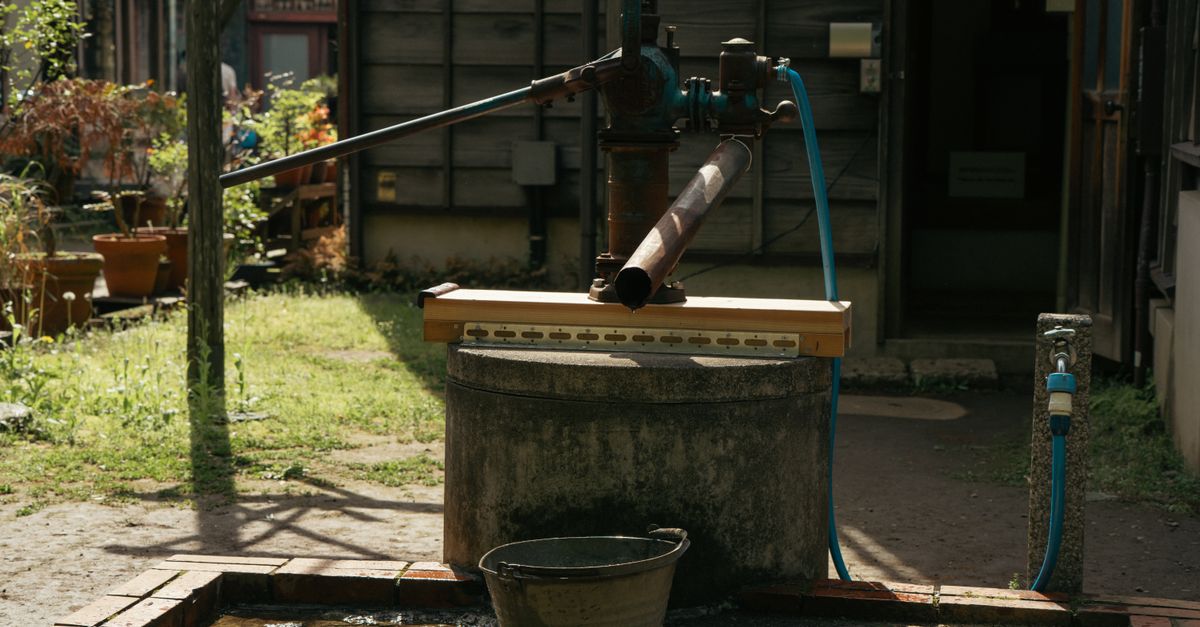
How Long Should a Residential Well Pump Last?

Most homeowners can expect a residential well pump to last roughly 8 to 15 years under normal use. That range is wide for a reason. Two homes can have the same pump model and get very different results based on water use, pressure tank condition, installation quality, and how quickly problems get addressed.
A family in a rural San Diego area home that uses well water for showers, laundry, cooking, and outdoor use will put different demands on a pump than a part-time property with lighter use. That does not mean heavy use always leads to early failure. It means the full residential water system has to be working the right way.
If your pump is aging or your water pressure has changed, a local system check can help you understand whether you need repair or replacement.
What Is a Residential Well Pump?
A residential well pump is the piece of equipment that moves private well water from the well into the home. Without the pump, water does not reach your faucets, showers, washing machine, or water heater.
The pump does not work alone. A residential water system usually includes the pump, pressure tank, pressure switch, piping, electrical controls, and other parts that help keep water flowing at usable pressure inside the house.
That full-system view matters. A homeowner may think the pump is failing when the real issue is a pressure tank that is no longer doing its job. We see that concern often. Low pressure in the house does not always mean the pump itself is the only problem.
Here is the simple version of how the system works:
A healthy system protects the pump from extra wear. A struggling system does the opposite.
Why Well Pump Lifespan Matters for San Diego-Area Homeowners
Well pump lifespan matters because a private well water household cannot function normally without dependable water access. If the pump stops, daily life stops with it.
For a San Diego-area homeowner in a rural or semi-rural home, water loss is not a small inconvenience. It affects showers before work, laundry for the family, cooking, dishes, cleaning, and sanitation. That is why waiting until the system fully quits is usually the hardest and most expensive way to handle the problem.
Pump lifespan also matters because not every aging system needs the same answer. One home may need a straightforward well pump repair. Another may need pump installation because the old unit is worn out. A third may need water system replacement because the pump, pressure tank, and controls are all failing together.
That is the part many homeowners are trying to sort out. Is this normal wear, or is the system headed toward a full shutdown? Honest answers come from looking at the whole system, not guessing from one symptom.
How Do You Tell How Much Life a Well Pump Has Left?
You can estimate how much life a well pump has left by looking at age, changes in performance, pressure behavior, water quality symptoms, and whether the problem is isolated or system-wide. No pump comes with a countdown clock, but the warning signs are usually there.
Start with age. If a pump is already near or past the usual service range, new symptoms deserve attention sooner. An older unit with pressure problems is different from a newer unit with one isolated issue.
Then look at performance. Common signs of wear include:
- lower water pressure in the house
- sputtering faucets
- the pump turning on and off too often
- inconsistent pressure during showers
- sudden loss of water
- unusual sounds from system components
- cloudy or dirty water showing up with pressure changes
Cloudy or dirty water is one sign homeowners should not ignore. If water quality changes show up at the same time as pump trouble, the issue may be bigger than one worn part. The system may need a broader inspection to see whether the problem is in the pump, the well, the pressure tank, or multiple components together.
A quick comparison can help:
| Symptom | What it can point to |
|---|---|
| Low water pressure | Pump wear, pressure tank trouble, clogged lines, or switch issues |
| Pump runs often | Short cycling, pressure tank failure, or pressure setting issues |
| Sudden no water | Electrical problem, failed pump, tripped control, or system shutdown |
| Cloudy or dirty water | Pump wear, well disturbance, or broader system trouble |
| Pressure changes during one shower | Pump strain, tank trouble, or control issues |
Here is a weak way to judge the problem versus a stronger one:
Weak: "The water still works sometimes, so the pump is probably fine." Stronger: "The system still delivers water, but pressure drops, frequent cycling, and dirty water together point to a system that needs inspection soon."
If you are not sure whether the issue is the pump, pressure tank, or the full system, comparing symptoms early can help you avoid a full loss of water.
What Affects How Long a Residential Well Pump Lasts?
The biggest factors that affect well pump lifespan are water demand, pump cycling, pressure tank condition, installation quality, and how quickly repairs happen. Pumps wear out faster when they are forced to work harder than they should.
Heavy household use adds wear over time. A larger family, irrigation use, guest space, or extra daily demand means more run time. More run time does not automatically mean failure, but it does mean the system needs to be set up and maintained correctly.
Short cycling is one of the most common pump killers. Short cycling means the pump turns on and off too often. That repeated starting and stopping puts extra strain on the motor and other parts.
A failing pressure tank often causes that problem. Yes, a pressure tank affects well pump lifespan in a big way. If the tank is not holding pressure correctly, the pump may run far more often than it should, and that extra wear can shorten pump life fast.
Installation quality matters too. A properly sized and properly installed pump usually lasts longer than a poorly matched unit. Good pump installation is not just about getting water back on. It is about making sure the system is balanced and dependable.
Timely well pump repair also matters. Small issues rarely stay small in private well water systems. A pressure switch problem, tank issue, or electrical fault that gets ignored can push the pump harder until the pump becomes the next failure.
Common Mistakes That Shorten Well Pump Life
The most common mistakes are waiting too long, ignoring pressure changes, and focusing only on the pump when the rest of the system is part of the problem. Quick fixes often cost more later.
One mistake is brushing off low pressure as normal aging. Low water pressure can mean the well pump is failing, but it can also mean the pressure tank or controls are causing extra strain. Either way, the pump keeps paying the price if the problem stays unresolved.
Another mistake is delaying service because water still comes out of the faucet. A system can limp along for a while before it fully stops. That does not mean the system is healthy. It usually means the warning period is already underway.
A third mistake is replacing one part without checking the full setup. If a pump is replaced but the pressure tank is failing, the new pump may end up under the same stress as the old one.
Homeowners also get caught off guard by sudden failure. A pump sometimes stops working without much warning because the last weak part finally gives out. The honest answer is that "sudden" failures often had earlier signs, just not signs that were easy to read without a system check.
What We Recommend for Homeowners Who Depend on Well Water
Homeowners who depend on well water should monitor warning signs, schedule an evaluation when pressure or water quality changes, and choose repair or replacement based on the condition of the full system. That approach protects reliable water access and avoids guessing.
We recommend paying attention to three things first: age, pressure behavior, and water quality. If the pump is older, pressure is dropping, or the water turns cloudy or dirty, do not wait for a full shutdown to get answers.
We also recommend looking at the whole residential water system before deciding on the fix. Some homes need well pump repair and nothing more. Some need pump installation because the old unit has reached the end of its service life. Some need water system replacement because multiple parts are worn out together.
For a family trying to keep normal life moving, honest guidance matters. A family-owned pump company should be able to tell you plainly whether the issue is isolated, whether the pressure tank is hurting pump life, and whether repair is still the smart move.
Best answer: If your household relies on private well water, do not judge an aging pump by age alone. Judge the full system by age, pressure changes, water quality, cycling behavior, and overall condition. A local evaluation gives you a clear answer on whether well pump repair, pump installation, or full water system replacement is the right next step.
FAQs
What is the average lifespan of a residential well pump?
The average lifespan of a residential well pump is often about 8 to 15 years. Actual lifespan depends on water use, pressure tank condition, installation quality, and whether repairs were handled early.
How do I know if my well pump is wearing out?
A worn pump often shows lower pressure, inconsistent water flow, frequent cycling, strange noises, or sudden changes in water quality. An older pump with several of those signs at once usually needs a closer look.
What causes a well pump to fail early?
Early well pump failure is often caused by short cycling, pressure tank problems, poor installation, electrical issues, or delayed repairs. A pump that keeps working under strain usually wears out faster.
Should I repair or replace an aging well pump?
You should repair an aging well pump if the problem is limited and the rest of the system is still in good shape. You should replace the pump, or consider water system replacement, if the unit is older and multiple parts are failing together.
Does a pressure tank affect well pump lifespan?
Yes. A pressure tank has a direct effect on pump lifespan because it helps control how often the pump turns on and off. A failing pressure tank can make the pump cycle too often and wear out sooner.
Can low water pressure mean the well pump is failing?
Yes, low water pressure can mean the well pump is failing, but low pressure can also point to pressure tank trouble, switch issues, or other system problems. Low pressure is a warning sign, not a pump-only diagnosis.
Why did my well pump stop working suddenly?
A well pump can stop working suddenly because of motor failure, electrical trouble, control issues, or a long-running system problem that finally reached the breaking point. Sudden water loss should be checked quickly because the home depends on reliable water access.
How often should a residential well pump be inspected?
A residential well pump should be inspected whenever pressure changes, cycling becomes frequent, water quality shifts, or the system reaches an older age and starts showing wear. A homeowner does not need to wait for total failure to get the system checked.
When should a homeowner replace the full water system instead of just the pump?
A homeowner should consider full water system replacement when the pump is aging and the pressure tank, controls, or other parts are also failing. Replacing the full setup can make more sense than repairing one part at a time when the whole system is worn out.
Summary: Plan Ahead Before a Well Pump Failure Leaves You Without Water
A residential well pump often lasts 8 to 15 years, but age alone never tells the whole story. The better question is whether the full system is still working with the reliability your household needs.
If pressure is dropping, the pump is cycling too often, or the water looks different, do not guess. We Solve Water. Keeping San Diego’s Water Flowing means looking at the full picture and fixing water problems the right way.
If your household depends on private well water and your pump is showing signs of age, contact Thing Pump Service for an honest evaluation of repair, pump installation, or full system replacement.